Gratitude journaling used to strike me as a participation trophy dressed up as wellness. Three nice things before bed, and your anxiety just quietly resolves itself? I didn’t buy it. I was too busy building things and chasing the next milestone, half-convinced peace was a prize you earned after enough was accomplished. Something that small couldn’t possibly be it.
I finally tried it during a rough patch, when everything more sophisticated I’d attempted for my anxiety had stalled out, and this was the one thing left on the list I hadn’t bothered with. The practice you’re most sure is useless is usually the one quietly doing something.
Read the full articleClose article
What’s Actually Happening When You Practice Gratitude
Here’s what turned me around. In 2025, PNAS published a meta-analysis spanning 145 studies and over 24,000 people in 28 countries, and it found gratitude interventions reliably raise well-being no matter where you’re testing them, not just in one lab, one country, one culture. Separately, a 2024 Harvard study tracked close to 50,000 women and found the ones with the highest gratitude scores had a 9% lower risk of dying over the next four years. For something you do with a pen, that number is hard to shrug off.
Robert Emmons, the UC Davis psychologist who’s studied gratitude for decades, ran a controlled trial where a weekly gratitude-journaling group reported 25% better sleep than the control group. Another study found consistent gratitude practitioners went to the doctor 35% less. And in patients with heart failure, researchers found gratitude tied to lower inflammatory markers and stronger parasympathetic activity, the rest-and-digest side of the nervous system, which happens to be exactly what I spend my working hours trying to help people reach through sound.
That’s what got me. Gratitude isn’t just a mood you’re in. It’s a measurable shift in how the body handles stress.
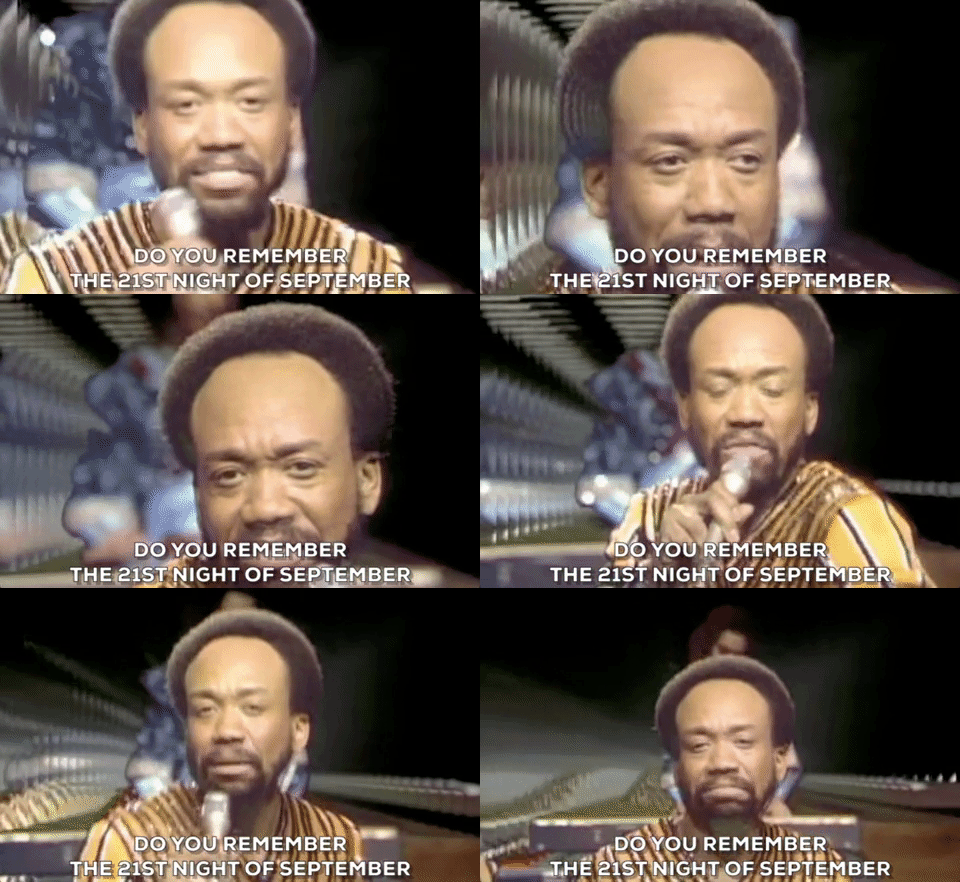
Why September 21st
World Gratitude Day traces back to a 1965 gathering in Hawaii where people from around the world first floated the idea, and the first official day followed in 1966, tied to meditation teacher Sri Chinmoy. Almost sixty years on, it’s still built around one simple ask: notice what’s already good.
What I like about it is that it isn’t selling anything or trying to fix you. It’s just a pause, a reason to actually say the thing out loud instead of letting it stay a passing thought.
The Practice That Actually Worked for Me
There was no beautiful ritual involved. Three lines before bed, whatever surfaced, even if all I had was my cat. Some nights that really was the best I could manage, and it still counted.
The surprising part wasn’t the writing. It was catching myself mid-day already scanning for what I’d write down later. That’s the actual mechanism at work: the practice trains attention. You start collecting evidence instead of defaulting to what’s wrong, and after a few weeks, that becomes the reflex rather than the exception.
The yoga tradition has its own version of this. Santosha, contentment, shows up as one of the Niyamas in Patanjali’s Yoga Sutras, sitting alongside practices like cleanliness and self-study as groundwork for a steady mind. It isn’t about pretending everything’s fine. It’s about training yourself to actually clock what’s already working, which is a lot harder than it sounds when your nervous system is built to scan for threats first.
The Toolkit
A three-line journal, kept somewhere you’ll actually see it. Not a beautiful new notebook you’ll be precious about. The one by your bed, three lines, done. Specificity matters more than length: my sister called back today does more than grateful for family.
A short gratitude meditation. I recorded one for exactly this, a guided practice that walks you through noticing what’s already here in the body before you try to fix or improve anything. It’s on my YouTube channel, free, and it’s 5 minutes you can do in bed with the lights off.
Saying it out loud to the actual person. Writing it down changes your attention. Saying it to someone changes the relationship. Text the friend. Tell your mom what you told your journal about her.
Pairing it with a nervous system down-shift. Gratitude lands differently when your body isn’t in fight-or-flight. A few minutes of slow breathing, a sound bath, or a body scan before you sit down to write makes the practice easier to access and easier to feel, not just think.
Try This Right Now
Before you close this tab, name three things. Out loud or on paper, doesn’t matter. Specific, not generic. See what happens to your shoulders while you do it.
Where to Go From Here
Free sessions on YouTube: The gratitude meditation, plus the rest of the library, sound baths, breathwork, nervous system resets, is free and waiting whenever you need it. youtube.com/peacefulplacewellness
HERE ARE TWO MEDITATIONS FOR GRATITUDE:
Bring it to your space: Private sound baths and corporate wellness events are my favorite thing to do. I come to you, and gratitude practices are often part of how we close a session. Fill out this form and let’s put something together.

Attend a class: Sound baths and yoga nidra, across studios in Los Angeles. See the full schedule at angelawrightmusic.com/classes-schedule.

This essay first appeared on my Substack. Subscribe for new writing on sound, rest and the nervous system.
Subscribe on Substack